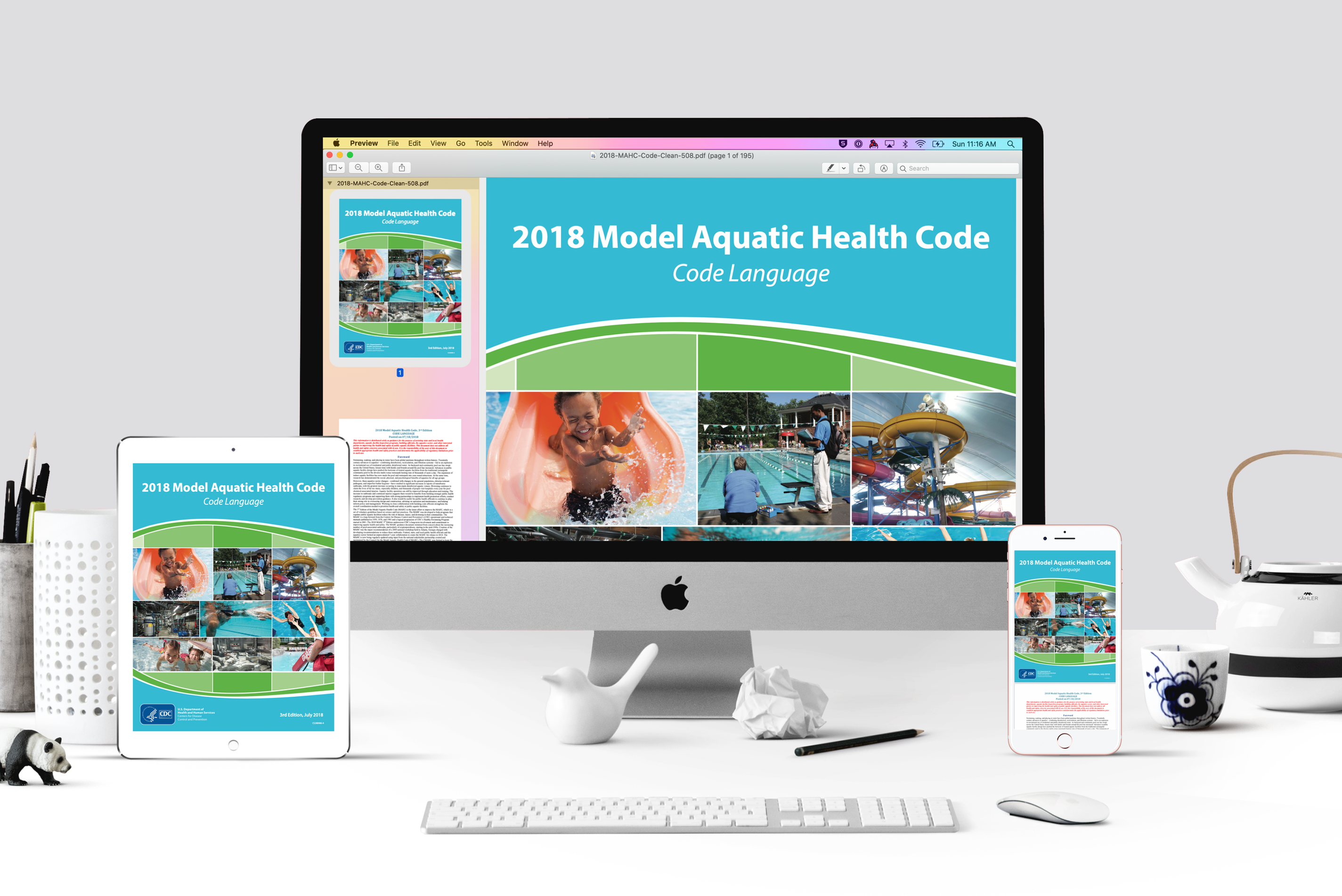
Download a PDF of the 2024 MAHC, 5th Edition
Who We Are
The Council for the Model Aquatic Health Code (CMAHC)
Learn more →
Our Board
Meet our Board of Directors.
Our Mission
Collect, assess, & relay MAHC recommendations to CDC.
Contact Us
Reach us by phone, email, our mailing address, and social media.
The Association of Aquatic Professionals (AOAP) and the Council for the Model Aquatic Health Code (CMAHC) are excited...
Become a Member
Sponsorship Opportunities
Help promote aquatic health & safety by supporting our mission.
Committees
Our working groups that manage the process to submit change requests.
Attend an Event
Conferences, webinars, and other events.
Ready to become a member? Join Today
There are no upcoming events scheduled.
May 15, 2024
CMAHC Certification Course at NEHA: Aquatic Venue Public Health Inspector Course
Read more
February 10, 2024
Webinar: Aquatics Recruiting with Dan Berzansky - Feb. 29
January 24, 2024
You're Invited: MAHC 10th Anniversary Gala
January 10, 2024
Now Available: Virtual Tickets - Vote on the Code
December 31, 2023
Offer Available: FREE Access to MAHC Track Sessions at AOAP 2024
December 2, 2023
Vote on the Code 2024 Agenda
November 28, 2023
CMAHC Webinar Series: MAHC Adoption
October 30, 2023
MAHC Track Educational Sessions at AOAP 2024
October 20, 2023
CMAHC at #WWAShow2023
October 10, 2023
Vote on the Code Sponsorship Opportunities!
September 23, 2023
Webinar: Making Waves - Surf Venues
May 15, 2023
Webinar - Splash Pad Safety
March 5, 2023
Webinar: Pool Chemical Safety
January 10, 2023
FREE Webinar: MAHC Change Request Submission and Review Process for 2024 Vote on the Code
November 18, 2022
Webinar: Exploring NSF Standards
July 26, 2022
Register Today: Environmental Health Leaders Forum - February 16, 2023
July 15, 2022
Webinar: Understanding Artificial Swimming Lagoons - Thursday, Aug. 25, 11:00 a.m. ET
February 16, 2022
Webinar: Aquatic Insights from Public Health Officials - Friday, January 28, 2022, 12:00 p.m. ET
February 15, 2022
Webinar: All About The Codes - Thursday, April 21 at 11:00 a.m. ET